

Flexible Duct vs Metal Ductwork: Pros and Cons
Choosing the right type of ductwork affects airflow efficiency, indoor air quality, and system longevity. The two most common options are flexible ducts and metal ducts, each with distinct advantages and limitations.
Flexible Ductwork
Flexible ducts are made of a wire coil covered with plastic and insulation. They are lightweight, affordable, and easy to install, especially in tight spaces.
Advantages
- Lower installation cost
- Quick and easy to route
- Good sound absorption
Disadvantages
- More prone to sagging and airflow restriction
- Can trap dust and debris
- Shorter lifespan if improperly installed
Metal Ductwork
Metal ducts are typically made of galvanized steel or aluminum and are commonly used in commercial and high-end residential systems.
Advantages
- Durable and long-lasting
- Smooth interior improves airflow
- Easier to clean and sanitize
Disadvantages
- Higher upfront cost
- More complex installation
- Can transmit noise if not insulated
Airflow and Efficiency
Metal ducts generally provide better airflow due to their rigid, smooth interior. Flexible ducts must be installed correctly to avoid bends and compression that reduce efficiency.
Indoor Air Quality
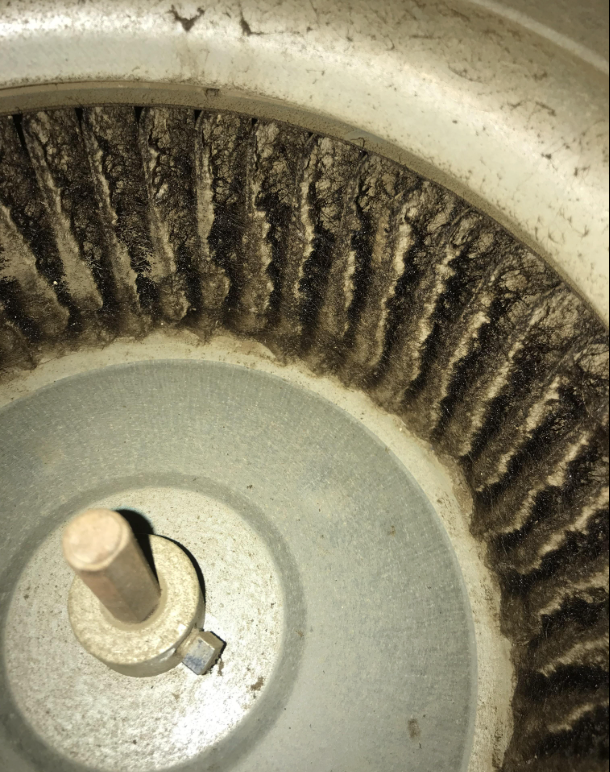
Metal ductwork is less likely to harbor mold or dust buildup. Flexible ducts, especially older ones, can accumulate contaminants more easily.
Which Is Best for Your Home?
Flexible ducts work well for short runs and budget installations. Metal ducts are ideal for long-term durability and optimal performance.
Schedule a Duct Inspection
If you’re experiencing airflow issues or poor air quality, a duct evaluation can identify whether your duct material is contributing to the problem.
Discover essential tips for better home air quality



Ducks.. Ducks.. Ducks.. Ducks.. Ducks.. Ducks..
Duct. Duct. Duct. Duct. Duct. Duct.
Go! Go! Go! Go! Go! Go! Go! Go!

Get Your Free Estimate Now
Discover how our expert air duct cleaning can improve your home's air quality today!